If you’ve ever stood in the mower accessories aisle confused about whether to choose a mulching blade or regular blade, you’re not alone. Both promise clean cuts, but they deliver very different results depending on how you mow, how often, and what you do with grass clippings. The right blade can mean the difference between a lush, healthy lawn and one choked with clumps or stripped of nutrients.
The core distinction lies in design and airflow. Mulching blades are built to recirculate clippings for multiple cuts, turning them into fine mulch that feeds your soil. Regular high-lift blades, on the other hand, prioritize strong vertical airflow to quickly eject clippings through the side or into a bag. This guide cuts through the confusion so you can choose the right blade for your specific mowing needs.
How Blade Design Affects Cutting Performance
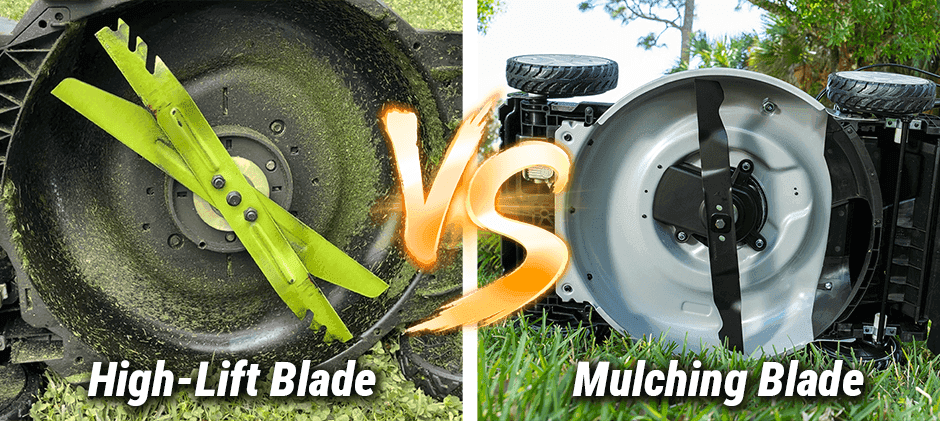
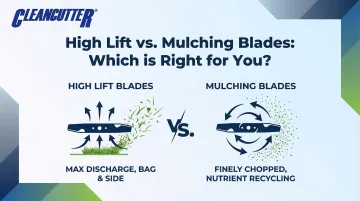
Standard mower blades, also called high-lift or 2-in-1 blades, are engineered for maximum airflow and rapid clipping removal. Their shape is relatively straight with a slight upward curve at the ends, creating strong suction that lifts grass before cutting. This lift helps the blade make a cleaner cut by standing blades of grass upright, and it powers clippings out of the discharge chute or into a bag with force.
Mulching blades feature a wavy, contoured design with deeper curves, fins, or multiple cutting edges. The extra surface area and downward-angled sections create a swirling airflow that keeps clippings suspended under the mower deck. Instead of being ejected immediately, clippings are chopped repeatedly, up to 3 to 5 times, before being finely shredded and dropped back onto the lawn.
Visual identification tips include checking for pronounced upward-curving tips on standard blades, while mulching blades typically have waves, fins, or complex curves along the edge. Many brands color-code mulching blades for easy identification.
Airflow Patterns: Why They Matter for Your Lawn
High-lift blades generate strong vertical airflow. As the blade spins, its curved ends create high static pressure beneath the mower deck. This lifts grass upright for a clean cut and propels clippings outward with speed. These blades excel when you’re mowing less frequently and dealing with taller or thicker grass.
Mulching blades use horizontal recirculation instead of vertical lift. The curved profile traps air and clippings in a vortex, keeping them in the cutting zone longer. This allows the blade to re-cut the same material multiple times. The result is grass reduced to dust-like particles that settle evenly into the turf and decompose rapidly.
The trade-off is significant. High-lift blades offer superior discharge performance but poor mulching. Mulching blades excel at nutrient return but struggle when bagging or discharging tall grass.
Clipping Quality and Lawn Health Impact
High-lift blades are optimized for single-pass efficiency. Once grass is cut, clippings are expelled quickly, minimizing time under the deck and reducing strain on the engine. However, this also means clippings remain relatively long and intact, sometimes up to several inches. When left on the lawn, these larger pieces can clump, smother grass, and take weeks to decompose.
Mulching blades are designed to recut clippings multiple times. Extended edges and secondary cutting zones allow the blade to engage the same material over and over. In testing, mulching blades turned grass into shredded, almost dust-like particles that disappear into the turf, decompose within days, and release nutrients back into the soil.
For best results with mulching blades, mow every 3 to 4 days so you’re only removing about one-third of the grass height. This prevents overload and ensures complete mulching.
Bagging Performance: Which Blade Wins
If you bag regularly, high-lift blades are the clear winner. They generate enough airflow to push clippings up into the bagger with force, filling bags evenly and reducing clogs. Models like the Oregon G6, classified as high-lift despite having fin-like teeth, maintain strong lift while offering better shredding than flat blades.
Using mulching blades for bagging is not recommended unless you have an assist system. Their lower lift reduces clipping velocity, leading to incomplete bag filling, partial blockages at the intake, and increased maintenance due to buildup. A Ferris dealer technician stated that mulching blades should be used with a full mulch kit, not a bagger.
If you want finer clippings without sacrificing bagging performance, consider the Oregon G-series blades, which offer a middle ground between high-lift and mulching designs.
Fall Leaf Management: Blade Type Matters
Mulching blades shine during fall cleanup. Their recirculating design chops leaves into tiny fragments that either decompose on the lawn or are easily collected. Even in side-discharge mode, mulching blades produce much finer leaf particles than standard blades, speeding up decomposition and reducing thatch buildup.
High-lift blades handle bulk debris more efficiently when bagging large volumes of leaves. Their strong airflow clears the deck quickly and fills bags faster. The Oregon G3, G5, and G6 series combines high lift with improved chopping, making it excellent for leaf management.
Some professionals use two wavy mulching blades with an accelerator for leaf bagging, achieving fine chop and adequate throw, though this setup isn’t universally reliable, especially on larger decks.
When to Choose Each Blade Type
Choose a mulching blade if you mow every 3 to 4 days, want to return nutrients to the soil, prefer low-waste eco-friendly lawn care, use a mulch kit with plug and baffles, and deal with light to moderate grass growth. The best setup includes a mulching blade, mulch plug, sharp edge, and dry grass.
Choose a high-lift blades if you mow once a week or less, regularly bag clippings or leaves, mow tall thick or overgrown grass, need clean side discharge, or operate without powered bagging assistance. The best setup includes a high-lift blade, clean deck, and proper deck height.
For mixed use, keep two sets of blades and swap based on need, or use 3-in-1 mulching blades with a removable plug while accepting lower bagging performance.
Why Mulching Kits Are Essential
Many homeowners install mulching blades but skip the mulch plug and enhanced baffles, defeating the purpose. True mulching requires three components working together: the mulching blade with its curved multi-edge design, the mulch plug that blocks the discharge chute, and a tight baffle system that contains airflow.
Without all three, clippings escape too quickly, limiting recutting. The blade essentially functions as an inefficient discharge blade. Using a mulching blade without a plug reduces but doesn’t eliminate clippings, producing finer output than standard blades, but still doesn’t maximize nutrient return.
Cub Cadet factory mulch kits include stamped blades and specific baffles designed to work as a system. Always use a full kit for true mulching performance.
Hybrid and Specialized Blade Options
The Oregon G3, G5, and G6 blades are technically high-lift blades, not mulching blades, despite their finned appearance. They’re designed for discharge and bagging but with added teeth that improve shredding. Benefits include strong vertical lift for excellent bag fill, finer clippings than standard flat blades, and durable heat-treated steel construction.
Exmark wavy mulching blades have more lift than typical mulching blades, especially when used in dual configurations. On tightly baffled decks, they can match or exceed the throw distance of single high-lift blades, making them popular with commercial operators doing mixed tasks.
Dual blade setups with two mulching blades per spindle can boost chopping power when paired with an accelerator, but risks include imbalance, vibration, reduced efficiency on large decks, and compatibility issues.
Identifying Your Current Blade Type
Check the part number stamped directly on the blade. Cross-reference this with your owner manual or manufacturer parts list to confirm whether it’s a high-lift or mulching blade. Take a photo before removal to help with accurate reordering.
Visual inspection offers quick identification. Standard blades have a straight or slightly curved profile with pronounced upward lift at tips and minimal surface area. Mulching blades feature a wavy or contoured profile with moderate lift and increased surface area from fins or edges. Look for labeling like 2-in-1 for standard blades and 3-in-1 or mulching for specialty blades.
Maintenance for Optimal Performance
Keep blades sharp and balanced. Dull blades tear grass instead of cutting it cleanly, leading to brown tips, disease vulnerability, and poor mulching or discharging. Sharpen every 20 to 25 hours of use and balance after sharpening to prevent deck vibration. Use a blade balancer to ensure even weight distribution.
Clean the deck regularly. Grass buildup, especially when mulching tall or wet grass, reduces airflow and increases clogging risk. Clean under the deck after each use with a scraper or hose. Never ignore clumps under the deck because they reduce performance and strain the engine.
Replace blades when worn or damaged. Inspect for cracks or bends, excessive wear at cutting edges, and warping from impact. Replace immediately if any damage is found because safety and performance depend on it.
Final Recommendations for Your Mowing Routine
For most homeowners who mow frequently, mulching blades are the smarter choice. They return nutrients to the soil, reduce yard waste, and promote a healthier lawn over time. Remember to use with a full mulch kit, mow dry grass, keep the blade sharp, and avoid mulching tall or wet grass.
For infrequent mowing or heavy bagging needs, standard high-lift blades deliver reliability and power. They prevent clogs, fill bags fast, and keep your lawn looking tidy. The Oregon G-series blades offer enhanced shredding without sacrificing bagging efficiency for those who want the best of both worlds.
The best blade depends on your mowing routine, not just your mower. Match the blade to your habits. Frequent mowing favors mulching. Infrequent or bagging-heavy use favors high-lift. When in doubt, consult your owner manual or a certified dealer for model-specific recommendations.
Frequently Asked Questions About Mulching Blade vs Regular Blade
Can I use a mulching blade for bagging clippings?
Using mulching blades for bagging is not recommended unless you have an assist system like an accelerator or powered fan. Mulching blades generate less vertical lift, which means clippings don’t flow as effectively into the bag. This leads to incomplete bag filling and potential blockages at the intake.
Do mulching blades work without a mulch plug?
Mulching blades will still produce finer clippings than standard blades even without a mulch plug installed. However, you won’t get true mulching performance. The plug blocks the discharge chute to maximize airflow containment and recirculation under the deck. Without it, clippings escape too quickly for multiple re-cuts.
How often should I sharpen my mower blade?
Sharpen your mower blade every 20 to 25 hours of use for optimal cutting performance. Dull blades tear grass rather than cutting cleanly, which can lead to brown tips and lawn disease. Always balance the blade after sharpening to prevent deck vibration and damage.
Are Oregon G-series blades considered mulching blades?
No, the Oregon G3, G5, and G6 blades are classified as high-lift blades despite having fin-like teeth. They’re designed primarily for discharge and bagging but offer better shredding than standard flat blades. They’re ideal for users who bag regularly but want finer clipping breakdown.
Which blade is best for fall leaf cleanup?
Mulching blades excel at shredding leaves into tiny fragments that decompose quickly or can be easily collected. However, if you bag large volumes of leaves, high-lift blades are more efficient at filling bags quickly. Some users achieve excellent results with dual mulching blade setups and accelerator systems.
Key Takeaways for Choosing Between Mulching and Regular Blades
The choice between mulching blade vs regular blade ultimately depends on your specific mowing habits and goals. Mulching blades excel when you mow frequently, want to return nutrients to your soil, and prefer low-waste lawn care. High-lift blades perform better for infrequent mowing, regular bagging, and managing overgrown grass.
Always use a full mulching kit with plug and baffles for true mulching performance. Consider hybrid options like Oregon G-series blades if you want a balance between bagging efficiency and finer clippings. Maintain your blades by sharpening regularly, balancing after sharpening, and keeping the deck clean.