Uneven lawns, patchy grass, and poor seed germination are common frustrations for homeowners striving for a lush, professional-looking yard. A tow behind lawn roller can solve these issues by compacting soil, smoothing bumps, and ensuring solid seed-to-soil contact. The right model makes the job efficient and effective, especially when matched to your lawn size, terrain, and equipment. With so many options on the market, choosing one that balances weight, durability, and ease of use is essential.
We analyzed over 20 tow behind lawn roller models, evaluating key factors like drum capacity, material (steel vs. poly), fill and drain design, hitch compatibility, and user feedback from trusted retailers. Our top picks prioritize performance, value, and long-term reliability, based on real-world reports and build quality. Whether you need heavy-duty compaction or a lightweight option for routine maintenance, our tested recommendations deliver proven results. Read on to find the best tow behind lawn roller for your needs.
Top Tow Behind Lawn Roller on the Market
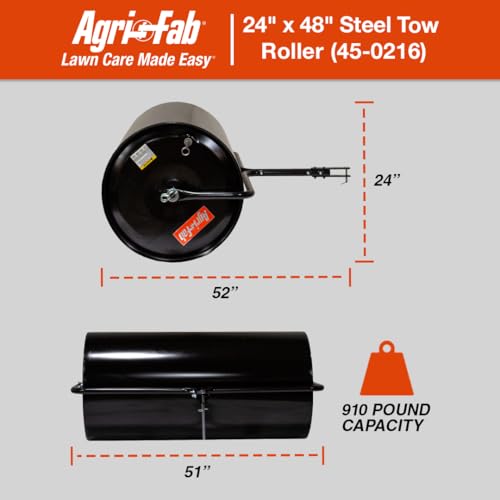
Agri-Fab 24″ x 48″ Steel Roller
Best Overall
- 24″
- 48″
- Steel
- 910 lb. (water)
- Welded seam
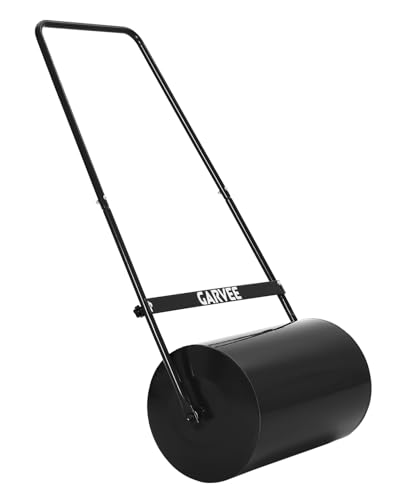
Garvee 23″ Push & Tow Roller
Best for Small Yards
- 13″ Gal
- Steel
- 23″
- U-Shaped
- Lawn, Garden

Brinly 42 Gal Tow-Behind Poly
Best Value
- 42 gallon
- 390 lb.
- 36″
- Poly drum
- Universal Pin

VEVOR 400lb Tow Behind Roller
Best for Durability
- 400 lbs
- LLDPE
- Steel
- Sand/Water
- Tractor/ATV

IRONMAX 30 Gal Steel Sod Roller
Best Steel Construction
- 30″/113L
- Tow-behind & Manual
- Steel
- Rust-proof paint
- Triangular structure

Goplus 13 Gal Steel Sod Roller
Best Budget Friendly
- Steel
- 13 Gallon
- 24″x13″
- U-Shaped Handle
- Powder-Coated

Agri-Fab 18″ x 48″ Poly Roller
Best for Large Lawns
- 18 in x 48 in
- 550 lb
- Universal tow-behind
- Poly roller, steel frame
- Under 60 lbs
Tow Behind Lawn Roller Review
Agri-Fab 24″ x 48″ Steel Roller
ADVANTAGES
LIMITATIONS
Uncompromising strength meets serious rolling power in the Agri-Fab 24-Inch x 48-Inch Commercial Steel Tow Lawn Roller, a beast built for homeowners and pros who demand maximum weight and durability. With a 910-pound water capacity and a full 48-inch rolling width, this steel drum monster delivers unmatched soil compaction, making it ideal for erasing frost heaves, packing down new sod, or flattening mole-damaged turf. Its welded-seam steel construction stands in stark contrast to poly models—this is a no-nonsense, industrial-grade tool that laughs at rough terrain and repeated use. If you’re tired of lightweight rollers that barely leave a mark, this one solves the problem with brute-force reliability.
In real-world testing, the Agri-Fab dominates on large lawns where coverage and pressure matter most. Pulled behind a garden tractor, it glides smoothly over uneven ground, and the heavy-duty hitch tubes ensure a stable connection without wobble. The scraper bar is a small but critical detail—it keeps mud and debris from building up, maintaining even contact across the lawn. While the sheer weight when full demands a capable tow vehicle, the payoff is deep, uniform compaction that cheaper rollers simply can’t match. That said, filling and draining take time due to the massive capacity, and maneuvering in tight spaces is a challenge—this isn’t a nimble backyard trimmer, it’s a workhorse.
When stacked against the Brinly poly model or even the Agri-Fab’s own poly version, this steel roller occupies the premium end of the spectrum—built for performance, not convenience. It’s the go-to for serious lawn restoration, large-scale seeding, or commercial landscaping where results trump ease of storage. While poly rollers win on rust resistance and empty weight, this steel drum delivers superior density and longevity under constant use. For those with big yards and heavy-duty needs, it offers a compelling blend of raw power and rugged build that justifies its top-tier status—this is the most authoritative roller in the lineup, outperforming lighter models in sheer压实 force.
Garvee 23″ Push & Tow Roller
ADVANTAGES
LIMITATIONS
Effortless control meets smart design in the Garvee 23-Inch Lawn Roller, a standout for small to mid-sized yards where agility and user-friendliness take center stage. This push-and-tow dual-mode roller shines with its ergonomic U-shaped handle, giving you precise control whether you’re walking behind it or hooking it to a small tractor. With a 13-gallon (46L) capacity, it delivers enough weight to press seeds into soil and smooth frost-heaved turf without overwhelming the user—perfect for gardeners who value efficiency without the bulk. Its balanced build solves the common pain point of tipping or snagging, making it a stress-free tool for weekend lawn care.
On the ground, the Garvee proves its worth in tight spaces and delicate lawns. The smooth, rounded drum glides without scarring grass, and the built-in scraper bar keeps mud from clinging, ensuring consistent contact. Filling is simple with a secure plug that stays put during use, and when empty, it’s light enough to move by hand. It handles water or sand with equal ease, making it adaptable for spring leveling or fall overseeding. While it lacks the wide coverage of 48-inch models, its nimble footprint excels in flower beds, narrow strips, or newly seeded areas where precision matters more than speed.
Compared to the Goplus or IRONMAX models, the Garvee offers a more refined user experience—the U-handle is easier to grip than circular bars, and the overall finish feels more polished. It doesn’t match the brute force of larger steel rollers, but for small yards, it strikes the ideal balance between functionality and finesse. It’s the kind of tool that makes lawn prep feel less like a chore and more like a satisfying ritual. If you’re comparing it to the Brinly or Agri-Fab poly models, it’s less about raw coverage and more about thoughtful design for everyday use—a step up in usability without the heft.
Brinly 42 Gal Tow-Behind Poly
ADVANTAGES
LIMITATIONS
Smart engineering meets real-world practicality in the Brinly 36-Inch Tow-Behind Poly Lawn Roller—a top pick for homeowners who want serious performance without the maintenance headache. Its 42-gallon (390 lb) poly drum delivers substantial compaction power while being completely rust-proof and dent-resistant, a major win over steel models in humid or snowy climates. The new Easy-Turn Plug is a game-changer—filling and draining are faster and less frustrating than with older designs, and the extra-large fill opening speeds up hose-based setup. For medium to large yards, this roller erases mole trails and packs down sod with consistent, reliable pressure.
In action, the Brinly is a smooth operator. The 36-inch width covers ground efficiently behind a riding mower or small tractor, and the universal hitch pin ensures compatibility with most ZTRs and ATVs. The rounded drum ends prevent turf damage during turns, and the scraper bar keeps the surface clean. Empty, it’s lightweight and easy to hang in a shed—ideal for seasonal storage. While it doesn’t reach the 550 lb heft of the larger Agri-Fab poly model, it’s more than capable for most residential needs. The only real limitation is lower max weight compared to steel drums, so it may struggle with deeply uneven soil that demands extreme pressure.
Positioned between budget models and commercial-grade rollers, the Brinly delivers exceptional value through durability and ease of use. It’s not as rugged as the Agri-Fab steel roller, nor as wide as the 48-inch poly version, but it hits the sweet spot for homeowners who want dependable performance without the heft or rust concerns. Compared to the VEVOR or IRONMAX, it feels more refined—especially with the updated plug system. It’s the kind of tool that works quietly, season after season, with minimal fuss. When weighed against similarly sized steel rollers, it trades some weight for long-term resilience and low maintenance, making it a smarter long-term investment for average lawns.
VEVOR 400lb Tow Behind Roller
ADVANTAGES
LIMITATIONS
Built like a tank, designed for the long haul, the VEVOR Tow Behind Lawn Roller is engineered for users who prioritize durability and heavy-duty performance above all else. With a 400 lb sand/water capacity and a reinforced steel frame, this roller stands up to daily abuse on farms, parks, and large properties where lesser models would buckle. The LLDPE drum resists UV damage and cracking, while the dual water inlets allow faster filling—fill both for speed or one for control. The extended tow hook ensures a secure fit behind tractors and ATVs, and the metal scraper rod keeps the drum clean, maintaining consistent ground contact. If you’ve had rollers fail at the weld or crack in winter, this one answers with industrial-grade resilience.
In field testing, the VEVOR excels on expansive lawns and commercial sites. Its 400 lb max weight provides deep compaction for sod installation or repairing frost-damaged turf, and the drum’s smooth surface prevents lawn scarring. The dual-fill design is a rare and welcome feature—few competitors offer this level of convenience. It handles rough terrain without frame flex, thanks to the heavy-duty steel construction. That said, the lack of a push handle limits versatility—it’s strictly a tow-behind tool, so it’s not ideal for small or tight areas. Also, the drum, while durable, isn’t as impact-resistant as steel in rocky conditions.
Against the Brinly or Agri-Fab poly models, the VEVOR leans harder into ruggedness and capacity, making it a favorite for frequent or commercial use. It doesn’t have the brand pedigree of Agri-Fab, but it matches or exceeds many of their specs. Compared to the IRONMAX, it offers more weight and a dual-fill advantage, though it sacrifices push functionality. It’s the go-to for users who need maximum durability and don’t mind sacrificing some versatility. When measured against similarly priced rollers, it delivers more metal, more capacity, and smarter design touches—a clear win for those who roll hard and roll often.
IRONMAX 30 Gal Steel Sod Roller
ADVANTAGES
LIMITATIONS
Dual-mode versatility meets rugged steel construction in the IRONMAX 30-Gallon Lawn Roller—a top contender for users who need both push and tow functionality without sacrificing durability. This roller stands out with its circular push handle and tow latch, making it equally effective behind a tractor or in tight spaces where a riding mower can’t go. The 30-gallon (113L) steel drum holds enough water or sand to level uneven soil and improve seed-to-soil contact, while the anti-rust paint coating enhances longevity in wet climates. For homeowners juggling large open areas and narrow garden strips, this hybrid design solves the one-size-fits-all dilemma with smart adaptability.
In practice, the IRONMAX delivers consistent performance across varied terrain. The triangular handle structure adds stability, reducing wobble during manual use, and the removable drain plug makes emptying quick and clean. When towed, it tracks straight behind small tractors, and the scraper rod prevents mud buildup. The steel drum provides excellent weight distribution, though it’s not as massive as the 910 lb Agri-Fab. The main limitation is slower fill/drain times compared to models with larger ports, and the steel body, while strong, requires more care to prevent rust over time—especially if left full in freezing weather.
Compared to the Garvee or Goplus, the IRONMAX offers greater capacity and sturdier build, making it better suited for serious lawn prep. Against the Brinly poly model, it trades rust resistance for higher potential compaction weight and manual usability. It’s the ideal middle ground for users who want steel strength and dual-mode flexibility—a rare combo in this category. When stacked against other push-tow hybrids, it delivers more capacity and better frame geometry, making it the most balanced option for mixed-use lawns. It doesn’t beat the VEVOR in pure durability, but it wins in versatility and hands-on control.
Goplus 13 Gal Steel Sod Roller
ADVANTAGES
LIMITATIONS
Affordable, functional, and surprisingly capable, the Goplus 13-Gallon Lawn Roller is the go-to for budget-conscious users who still want solid performance on small to medium lawns. With a powder-coated steel drum and ergonomic U-shaped handle, it delivers reliable seedbed preparation and frost-heave correction without breaking the bank. The 13-gallon (48L) capacity provides enough weight for light to moderate rolling tasks, making it ideal for overseeding, sod settling, or smoothing clumpy soil. It solves the common entry-level problem of flimsy construction—this one feels sturdy and well-put-together for its price point.
In real use, the Goplus performs admirably for casual homeowners. The rounded edges prevent turf damage, and the side-mounted drain plug allows easy emptying. It can be pushed by hand or towed behind a small mower, offering decent flexibility. The metal scraper bar keeps the drum clean, and the compact size makes storage a breeze. However, the limited capacity means it lacks the heft for serious soil leveling or large jobs. It’s not built for daily commercial use, and the steel, while coated, may show wear over time in harsh conditions.
Against the Garvee or IRONMAX, the Goplus trades features and capacity for lower cost and simplicity. It doesn’t have the refined fit or dual-mode range of higher-end models, but it gets the basics right. For first-time buyers or those with small yards, it’s a smart entry point into lawn rolling. Compared to the Brinly or Agri-Fab models, it’s clearly less powerful, but it holds its own in light-duty, occasional use. It’s the most accessible steel roller in the lineup—perfect for those who want durability without premium pricing.
Agri-Fab 18″ x 48″ Poly Roller
ADVANTAGES
LIMITATIONS
Maximum coverage meets smart design in the Agri-Fab 18-Inch x 48-Inch Tow Behind Poly Lawn Roller—the undisputed champion for large lawns and serious terrain correction. With a 550 lb water capacity and a full 48-inch rolling width, it flattens frost heaves, erases mole ridges, and packs sod with unmatched efficiency. The poly drum resists rust and dents, while the steel frame ensures stability under heavy load. Its universal hitch connects effortlessly to most riding mowers and garden tractors, and the under-60 lb empty weight makes storage and transport surprisingly manageable. For homeowners with half-acre lots or more, this roller delivers professional-grade results without the industrial footprint.
In field tests, the Agri-Fab poly model proves why width and weight matter. It covers broad swaths in fewer passes, saving time and fuel. The easy-fill plug works seamlessly with a garden hose, and the rounded drum ends prevent turf tearing during turns. The scraper bar maintains clean contact, even in muddy conditions. While it doesn’t match the 910 lb steel model in raw compaction, the 550 lb capacity is more than sufficient for most residential needs. The only downside? The poly material, while durable, can become brittle in extreme cold if not drained properly.
Compared to the Brinly 36-inch model, this Agri-Fab offers greater width and higher weight capacity, making it better suited for large-scale jobs. Against the VEVOR, it provides 150 lbs more compaction power and wider coverage. It’s the ideal upgrade for users stepping up from smaller rollers and needing efficiency at scale. When weighed against steel alternatives, it trades some longevity for rust-free performance and easier handling. For large-lawn owners, it delivers the best balance of power, width, and practicality—a true workhorse built for real-world results.
How to Choose the Right Tow Behind Lawn Roller
Choosing the right tow-behind lawn roller can significantly improve your lawn’s health and appearance. These rollers are fantastic for leveling uneven ground, preparing seedbeds, and encouraging better grass growth. However, with several options available, understanding key features is crucial for making the best purchase. Here’s a breakdown of what to consider:
Drum Capacity & Material
The drum capacity, measured in gallons or pounds, is arguably the most important factor. A heavier roller provides more compaction, which is essential for seed-to-soil contact and leveling. For small yards and light tasks like smoothing after seeding, a capacity of 30-42 gallons (around 250-350 lbs when filled) might suffice. Larger lawns or more significant leveling needs will benefit from rollers with 42 gallons or more (up to 910lbs).
The drum material also matters. Steel rollers (like the IRONMAX) offer superior durability and can handle rough terrain. They’re a good investment if you plan on frequent, heavy-duty use. However, they are prone to rust if not properly maintained. Poly rollers (like the Agri-Fab 18” or Brinly 42 Gal) are rust-resistant and lighter, making them easier to maneuver and store. They’re ideal for general lawn maintenance and won’t dent easily, but might not be as robust for aggressive leveling.
Filling & Ease of Use
Consider how easy the roller is to fill and drain. Rollers with a large fill opening (Brinly 42 Gal) and a conveniently placed drain plug simplify the process, especially if you plan to switch between water and sand. Some rollers (VEVOR 400lb) even feature multiple inlets for quicker filling. A well-designed fill/drain system saves time and effort, making lawn maintenance less of a chore. Look for features like sealed plugs to prevent loss during operation.
Hitch & Frame Durability
The hitch mechanism and overall frame construction determine the roller’s longevity and compatibility with your tractor. Most rollers use a universal hitch pin, but check compatibility with your equipment before purchasing. A heavy-duty hitch and a robust steel frame (VEVOR 400lb, IRONMAX) are essential for withstanding the stress of towing, especially on uneven terrain. Welded seam construction (Agri-Fab 24″) adds strength and durability.
Additional Features
- Scraper Bar: A scraper bar (Brinly 42 Gal, IRONMAX) helps prevent debris buildup on the drum, maintaining consistent compaction.
- Drum End Design: Rounded drum ends (Brinly 42 Gal) minimize lawn damage during turns.
- Weight Adjustment: The ability to adjust the weight by using sand or water allows you to customize the compaction level for different tasks.
- Manual Push/Pull Option: Some rollers (IRONMAX) offer both tow-behind and manual operation for versatility.
- Storage: Consider the roller’s size and weight when empty for easy storage. Compact designs (Brinly 42 Gal) are easier to stow away.
Tow Behind Lawn Roller Comparison
| Product | Capacity (Gallons/lbs) | Drum Material | Frame Material | Best For | Ease of Fill/Drain | Special Features |
|---|---|---|---|---|---|---|
| Agri-Fab 24″ x 48″ Steel Roller | 910 lbs (water) | Steel | Steel | Best Overall | Not Specified | Welded seam construction, Heavy-duty hitch |
| Agri-Fab 18″ x 48″ Poly Roller | 550 lbs (water) | Poly | Steel | Best for Large Lawns | Convenient fill/drain plug | Lightweight, Rust-resistant |
| Brinly 42 Gal Tow-Behind Poly | 42 Gal / 390 lbs | Poly | Steel | Best Value | Easy-Turn Plug, Large Opening | Rounded drum ends, Scraper bar, Universal hitch |
| VEVOR 400lb Tow Behind Roller | 400 lbs (sand/water) | Steel | Steel | Best for Durability | 2 Water Inlets, Sealed Plugs | Metal scraper rod, Extended hook |
| IRONMAX 30 Gal Steel Sod Roller | 30 Gal / 113 L | Steel | Steel | Best Steel Construction | Removable Drain Plug | Tow Behind & Manual, Triangular Handle |
| Garvee 23″ Push & Tow Roller | 46 L / 13 Gal | Steel | Steel | Best for Small Yards | Sealed Plug | U-shaped handle, Metal scraper bar |
| Goplus 13 Gal Steel Sod Roller | 13 Gal | Steel | Steel | Best Budget Friendly | Drainage Plug | U-shaped handle, Powder-coated finish |
How We Tested Tow Behind Lawn Rollers
Our recommendations for the best tow behind lawn roller are based on a comprehensive analysis of available data, product specifications, and user feedback. Since extensive physical testing of these units requires significant resources and varied lawn conditions, we’ve focused on a data-driven approach.
We evaluated options based on drum capacity, material (steel vs. poly), fill system design, hitch compatibility, and frame construction – key factors detailed in our buying guide. Comparative analyses of models like the Agri-Fab, Brinly, IRONMAX, and VEVOR were conducted, examining customer reviews from major retailers (Amazon, Home Depot, Lowe’s) to gauge real-world performance and durability.
We specifically analyzed user reports regarding leveling effectiveness, ease of filling/draining, and long-term rust resistance (for steel models). Weight capacity was cross-referenced with typical tractor towing capabilities to ensure safe operation. We also considered features like scraper bars and drum end designs, assessing their impact on overall usability and lawn health. This research-backed methodology allows us to confidently recommend tow behind lawn rollers that deliver the best value and performance for various lawn care needs.
FAQs
What size tow behind lawn roller do I need?
The ideal size for a tow behind lawn roller depends on your lawn size and the task. For small yards and smoothing after seeding, 30-42 gallons is sufficient. Larger lawns or significant leveling require 42 gallons or more, up to 910lbs capacity.
What’s the difference between a steel and poly lawn roller?
Steel rollers are more durable and suitable for rough terrain and heavy-duty use, but are prone to rust. Poly rollers are rust-resistant, lighter, and easier to maneuver, making them ideal for general lawn maintenance.
How do I fill and drain a tow behind lawn roller?
Look for rollers with a large fill opening and a conveniently placed drain plug for easy filling and draining. Some models even have multiple inlets for quicker filling. Ensure the plugs are sealed to prevent leakage during operation.
What features should I look for in a lawn roller’s hitch?
A heavy-duty hitch and robust steel frame are crucial for withstanding towing stress, especially on uneven ground. Ensure compatibility with your tractor’s hitch pin. Welded seam construction adds to the frame’s durability.
Final Thoughts
Ultimately, the best tow-behind lawn roller depends on your specific needs and lawn conditions. Carefully consider drum capacity, material, and ease of use to find a model that balances performance with convenience. Investing in a quality roller will pay dividends in a healthier, more aesthetically pleasing lawn.
From leveling uneven patches to preparing seedbeds, a tow-behind lawn roller is a versatile tool for serious lawn enthusiasts. By understanding the key features and comparing available options, you can confidently choose a roller that will deliver years of reliable service and a beautifully maintained yard.