If you have ever stood in the hardware store aisle staring at lawn mower blades, wondering whether to choose a mulching blade or high lift blade, you are not alone. This decision impacts everything from cut quality to lawn health, mowing speed, and environmental impact. Understanding the key differences between mulching and high-lift blades helps you make an informed choice based on your lawn is needs, not marketing claims.
The core distinction lies in their design and purpose. High-lift blades excel at cutting and ejecting grass, making them ideal for bagging or side-discharging, especially in thick or wet conditions. Mulching blades are built to recut clippings multiple times, returning fine particles to the soil as natural fertilizer. While both types can technically handle bagging, discharging, and mulching, neither performs all tasks equally well.
High-Lift Blades: Power and Precision
High-lift blades, also known as standard or bagging blades, are engineered for performance in demanding mowing conditions. Their primary function is to cut cleanly and evacuate clippings efficiently, either into a bag or out through the discharge chute. They dominate in environments where speed, consistency, and deck cleanliness matter most.
Strong Airflow for Clean Cuts
The defining feature of high-lift blades is their pronounced upward curve near the tips. This shape generates powerful suction beneath the mower deck, lifting grass upright before it is cut. That vertical lift ensures a clean, even cut, critical when dealing with stringy weeds, Bermuda grass, or dew-covered turf.
This airflow also creates a high-velocity vortex that propels clippings up to 15 feet from the discharge chute, prevents clogging during bagging, and keeps the deck clear under heavy loads. Because of this, high-lift blades perform best with an open discharge chute. Blocking it with a mulch plug severely limits their effectiveness.
Best For Thick, Wet, or Tall Grass
When grass is tall, damp, or fast-growing, high-lift blades maintain superior performance. The strong lift prevents the mower from simply pushing down the grass instead of cutting it, a common issue with lower-lift designs. Users report fewer skips and cleaner cuts, especially in compacted areas where tires flatten the turf.
Ideal Use Cases
High-lift blades excel in the following situations:
• Bagging operations where clipping removal is essential
• Wet or dew-heavy mornings when grass clings together
• Commercial mowing requiring speed and minimal downtime
• Stringy weeds and coarse grasses needing full blade engagement
• High-speed mowing where deck clogging must be avoided
If your priority is a sharp, professional-looking finish with clean striping, high-lift blades deliver unmatched results.
Mulching Blades: Nature is Fertilizer Machine
Mulching blades are designed for sustainability. Instead of ejecting clippings, they recut them multiple times inside the mower deck and deposit them back onto the lawn as fine mulch. These tiny particles decompose quickly, returning nutrients like nitrogen and potassium to the soil, effectively acting as a free, organic fertilizer.
Curved Design for Recirculation
Unlike high-lift blades, mulching blades have a more curved, winged profile with additional gullets, serrations, or notched edges. Some models use a cross configuration to enhance recutting. They work in tandem with a mulch plug that blocks the discharge chute, trapping clippings under the deck. This containment extends their residence time, allowing repeated passes over the blade until they are reduced to dust-like particles. The airflow is intentionally disrupted, low-lift and turbulent, to promote circulation rather than ejection.
Nutrient Recycling and Soil Benefits
Proper mulching delivers measurable benefits. It reduces synthetic fertilizer use by up to 50% over time, improves soil moisture retention cutting irrigation needs, suppresses weed growth by shading bare soil, and shreds fall leaves effectively eliminating raking. One user reported saving $300 to $400 per month on watering after switching to mulching, especially impactful for large properties. Mulching also supports eco-friendly lawn care. Grass clippings contain valuable humates and humic acid which enrich microbial activity in the soil, improving overall turf health.
When They Work Best
Mulching blades thrive under specific conditions. They work best on short, dry grass 1 to 3 inches tall, with frequent mowing every 3 to 5 days, on well-maintained lawns without excessive thatch, and for post-rain mowing when no additional watering is needed. They struggle when grass is too long, wet, or mowed infrequently, leading to clumping and uneven distribution.
Key Differences at a Glance

| Feature | High-Lift Blade | Mulching Blade |
|---|---|---|
| Primary Function | Cut and discharge | Recut and recycle |
| Airflow | High suction, fast exit | Low lift, recirculating |
| Grass Lift | Excellent | Poor in compacted zones |
| Clipping Size | Longer, less processed | Fine, dust-like |
| Bagging Efficiency | Superior | Poor |
| Discharge Distance | Up to 15 feet | Minimal |
| Mulching Performance | Weak without kit | Excellent with plug |
| Power Demand | Higher | Moderate |
| Dust Output | High | Low |
| Ideal Mowing Frequency | Flexible | Every 3 to 5 days |
| Best Grass Condition | Wet, thick, tall | Dry, short, regular |
Expert Note: Despite claims that mulching blades have higher lift, technical analysis confirms they generate less lift than high-lift blades. Their design prioritizes particle reduction, not grass upright support.
Hybrid Options: The Middle Ground

For those seeking versatility, hybrid blades offer a compromise but rarely perfection.
Gator Blades: Serrated Multi-Taskers
Gator blades, marketed as 3-in-1, feature serrated edges that mimic scissors, enhancing recutting. They are praised for leaf shredding in fall and moderate mulching performance. However, user feedback is mixed. Some report no noticeable difference versus high-lift blades. Others complain of clumping, deck packing, and poor discharge. A few note stringers due to insufficient lift. While Gator blades allow bagging and mulching, they often deliver average performance across all functions without excelling in any.
User Insight: One professional noted that Gator blades do nothing great, most things average. Another added they mash grass instead of cutting it in wet conditions.
Raptor-Style Blades: Advanced Hybrids
Newer Raptor-style blades combine wave-like serrations with enhanced lift geometry. They provide strong suction for upright grass, fine shredding of clippings and leaves, and excellent striping quality. But their heavier construction may reduce blade speed, especially on smaller engines or 21-inch mowers.
Double Blade Systems
Some pros install dual blades, a Gator on top, mid-lift below. This setup enables multi-stage cutting and improved mulching while retaining decent lift. It requires precise balancing and compatible deck design to avoid vibration.
When to Use a Mulch Kit
A mulch kit converts a standard mower into a dedicated mulching machine. It typically includes mulching blades, a mulch plug that blocks the discharge chute, and installation hardware. Once installed, clippings stay under the deck longer, allowing repeated cutting.
The trade-offs include slower mowing due to need for multiple passes, reduced productivity in commercial settings, and being not recommended for exclusive bagging or wet grass. Some decks, like Toro SFS models, lack front baffles, reducing mulching efficiency even with a kit. Remove the mulch plug when returning to bagging or side-discharging.
Grass Type and Climate Matter
Your lawn is species and regional climate heavily influence blade choice.
Bermuda Grass Considerations
Thick, fast-growing Bermuda demands strong lift during peak seasons. High-lift blades ensure clean cuts and prevent clumping around pools or shop areas. But in dry periods with regular mowing, switching to mulching blades offers real benefits including less fertilizer needed, lower water consumption, and better weed suppression. Professionals often switch blades seasonally, high-lift in spring and summer, mulching in fall.
Regional Preferences
Regional preferences vary across the country. In Florida, Gator blades are used year-round due to flat, coarse grass. In Tennessee, high-lift is preferred in summer while Gators are acceptable in spring and fall. In arid regions like Texas, low-lift blades are used to minimize dust and power draw on fine, short grass.
Blade Material and Durability
Blade longevity depends on material. Carbon steel is common and affordable but rust-prone. Boron steel is harder and wear-resistant, ideal for commercial use. High-alloy steel is impact-resistant for heavy-duty mowing. Stainless steel is corrosion-resistant but less durable under stress.
Mulching and Gator blades often use thicker, reinforced steel to withstand constant recirculation. The Gator G6 features tungsten carbide edges for extended sharpness.
Real-World User Experiences
Feedback from lawn care professionals reveals practical insights.
Success Stories
One user uses Gator blades year-round with good cut quality and acceptable bagging. Another praises Gators for end-of-season leaf mulching. A third prefers true mulching blades for dedicated mulching tasks. One user reported that replacing dull standard blades with mulching eliminated clumping on a batwing mower.
Common Complaints
Some users say Gator blades suck for mulching grass, they mash instead of cut. Others report poor bagging, average discharge, and terrible performance with full mulch kit. One user notes that high-lift blades are essential for dew-heavy growth because Gators lack lift.
One user found no difference between high-lift and Gator blades on Exmarks even when mulching leaves.
Contradiction Alert: A dealer claimed Deere only shows mulching blades for a model, but Woods, the actual manufacturer, lists multiple options. Always verify compatibility with the operator is manual or parts list.
How to Choose: Decision Framework
Ask yourself these questions before buying.
What is Your Main Goal
Choose high-lift blades for sharp, striped finish or bagging efficiency. Choose mulching blades for fertilizer reduction, water conservation, or weed control. Choose Gator or mulching blades for leaf shredding. Choose high-lift for fast mowing in thick grass. Choose Raptor or Gator for year-round versatility with some trade-offs.
What Are Your Conditions
Wet, thick, or fast-growing grass points to high-lift. Dry, short, regularly mowed grass points to mulching. Heavy leaf cover in fall points to Gator or mulching.
Is Your Mower Compatible
Check if it can accept a mulch plug, if the deck supports recirculation airflow, and if dual blades are possible.
Pro Tip: Maintain multiple sets of blades and switch based on season and task. This maximizes mower life, lawn health, and operational efficiency.
Maintenance Tips for Optimal Performance
Even the best blade fails if neglected. Follow these best practices.
Identify Your Blade Type
Most OEM blades have part numbers stamped on them. Check your manual or parts list to confirm type.
Sharpen Regularly
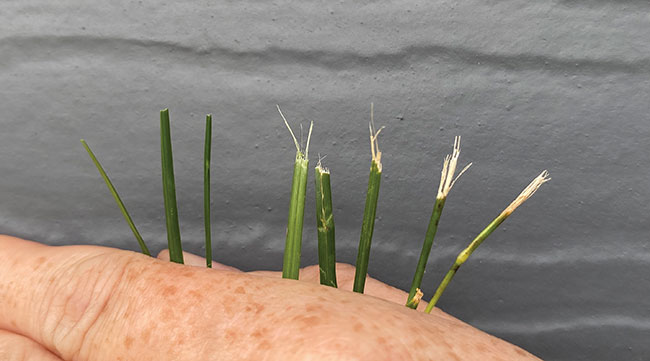
Dull blades tear grass, leading to browning and disease. Sharpen every 20 to 25 hours of use. Use a bench grinder or file, maintain original angle usually 30 to 45 degrees, and balance the blade after sharpening to prevent vibration.
Inspect and Clean
Check for nicks, cracks, or warping. Clean the deck after each use, especially when mulching wet grass. Remove buildup with a putty knife or pressure washer.
Install Correctly
Confirm rotation direction, most residential mowers rotate counter-clockwise from above. Ensure the cutting edge faces forward. Tighten bolts securely using a breaker bar or impact wrench. Use a wooden block to prevent blade spin during removal.
Frequently Asked Questions About Mulching Blade vs High Lift Blade
Can I use mulching blades for bagging?
Mulching blades perform poorly for bagging. They generate low airflow and tend to recirculate clippings rather than ejecting them. If bagging is your primary goal, high-lift blades are the clear choice.
Do mulching blades work in wet grass?
Mulching blades struggle in wet grass. The reduced lift cannot handle damp, heavy clippings effectively, leading to clumping and deck buildup. High-lift blades handle wet conditions much better.
Are Gator blades worth the money?
Gator blades offer moderate performance across bagging, discharging, and mulching but excel at none. They are worth considering if you need versatility and accept average results in exchange for convenience.
How often should I switch between blade types?
Seasonal switching works well for many homeowners. Use high-lift blades during peak growing season, wet conditions, or when bagging. Switch to mulching blades during dry periods, fall for leaf shredding, or when prioritizing lawn health over aesthetics.
Do mulching blades really replace fertilizer?
Yes, mulching blades can reduce synthetic fertilizer needs by up to 50%. Finely chopped clippings decompose quickly, returning nitrogen and potassium to the soil naturally.
Can I convert any mower to mulching?
Most mowers can accept a mulch kit, but effectiveness varies. Some decks lack proper baffles for recirculation. Check your operator is manual for compatibility before purchasing a kit.
Final Thoughts on Choosing the Right Mower Blade
There is no universal best blade, only the best choice for your lawn, goals, and conditions. High-lift blades dominate in power, precision, and efficiency for bagging and wet conditions. Mulching blades shine in sustainability, soil health, and cost savings through natural fertilization. For many homeowners, the smartest approach is seasonal switching, high-lift during peak growth and wet periods, mulching during dry maintenance periods. Some keep dedicated blades for leaf season and striping priorities.
By aligning your blade choice with real-world performance rather than marketing hype, you will achieve a healthier lawn, longer mower life, and better results with less effort. Evaluate your specific conditions, maintain multiple blade options, and adjust as needed throughout the growing season.