

That jarring BANG from your lawn mower isn’t just startling—it’s a distress signal. When your engine backfires, it’s fighting to run correctly, and ignoring it risks poor cutting performance, fuel waste, or even permanent engine damage. Whether you hear a sharp pop through the carburetor or a deep thump from the muffler, this guide delivers precise fixes for why your lawn mower backfiring happens. You’ll diagnose the exact cause in minutes and implement proven solutions—no mechanic required.
Why Your Mower Backfires Through Intake vs. Exhaust
Not all backfires are equal. Pinpointing the sound location and timing cuts your diagnosis time in half.
- Intake Backfire (Sharp “POP” from Engine Top): Unburned fuel ignites in the carburetor or intake manifold when the intake valve opens prematurely. This often blows flames backward and risks carburetor damage.
- Exhaust Afterfire (Muffled “BANG” from Muffler): Unburned fuel accumulates in the hot exhaust system, igniting when you release the throttle or shut off the engine. Less dangerous but wastes fuel.
Critical clue: If the pop happens only when engaging blades or climbing a hill, your engine struggles under load. If it occurs only during shutdown, focus on fuel cutoff systems.
Stale Fuel: The #1 Backfire Culprit (Fix in 10 Minutes)
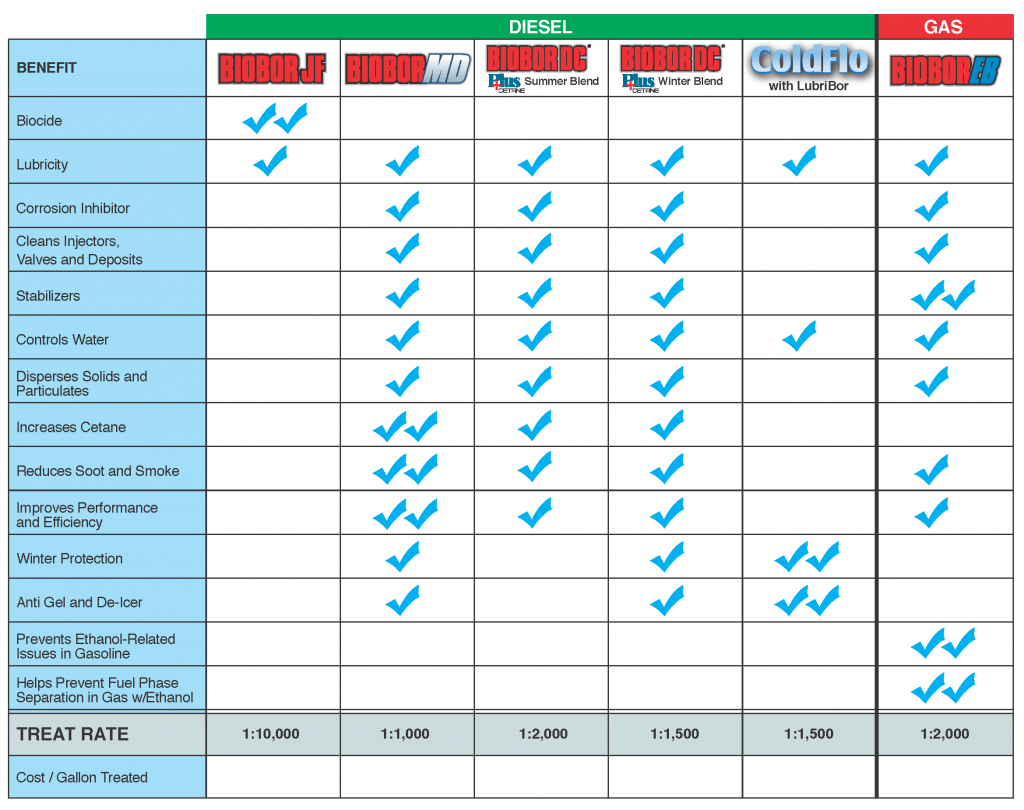
Why it backfires: Gasoline degrades within 30 days, forming gum that clogs carburetor jets. This disrupts the air-fuel mix, causing incomplete combustion. Ethanol-blended fuels (E10/E15) accelerate this problem by attracting moisture.
How to Confirm and Fix Stale Fuel
- Drain suspect fuel: Disconnect the spark plug wire (safety first!), then siphon old gas into a clear container. Discard if cloudy, yellowed, or smelling sour.
- Scrub the carburetor: Remove the carb bowl, soak jets in carb cleaner for 15 minutes, then blast passages with compressed air. Pro Tip: Use a #78 drill bit to clear clogged main jets—never a wire!
- Refuel correctly: Fill with ethanol-free gas + fuel stabilizer (like Briggs & Stratton FreshStart). Run the engine 5 minutes to circulate clean fuel.
Common mistake: Pouring “dry gas” additives into old fuel. This worsens varnish—always drain first.
Weak Spark: The Silent Backfire Trigger
A failing ignition system leaves unburned fuel to ignite in the exhaust or intake. This causes backfiring only under load (like when engaging blades) since compression demands a stronger spark.
Diagnose Your Spark in 60 Seconds
- Check the spark plug: Remove it and attach the wire. Hold the metal base 1/4″ from the engine block while cranking. A healthy spark jumps bright blue across the gap. Orange/yellow = weak spark.
- Test the gap: Measure electrode gap with a feeler gauge. Most mowers need 0.020–0.030″. Too wide = weak spark; too narrow = no spark.
- Replace immediately if: Electrodes are eroded, carbon-coated, or the ceramic insulator is cracked.
Critical note: Always use the exact plug model specified in your manual. A hotter plug (like RC14YC vs. RC12YC) can cause pre-ignition backfires.
Clogged Air Filter or Intake Leaks: The Oxygen Imbalance
Your engine needs a precise 14.7:1 air-fuel ratio. Alter this, and backfires follow.
Fix Airflow Issues Fast
- Clogged filter = rich mixture (black exhaust smoke): Remove the air filter. Hold it to sunlight—if you can’t see light through the foam/paper, replace it. Warning: Never run without a filter—dust destroys engines.
- Intake leak = lean mixture (high-pitched whine): Spray carb cleaner around the carburetor base and intake manifold while running. If RPMs surge, you’ve found a vacuum leak. Tighten clamps or replace cracked hoses.
Pro Tip: For foam filters, wash with soapy water, dry, and re-oil with filter-specific oil—not motor oil!
Valve Timing Failures: When Mechanics Cause Bangs

On overhead valve (OHV) engines, incorrect valve clearance is a top backfire cause. Too-tight valves prevent full closure, letting combustion gases escape into the intake.
Check Valve Lash in 5 Minutes
- Remove the valve cover.
- Rotate the flywheel until the piston is at top dead center (TDC) on the compression stroke (both valves closed).
- Insert a feeler gauge between the rocker arm and valve stem.
- Compare to your manual’s spec (typically 0.004–0.006″ for intake/exhaust).
If clearance is off: Loosen the rocker arm nut, adjust with a screw, then retighten. Never guess—use exact specs. A sheared flywheel key (from hitting rocks) also throws timing off and requires professional repair.
Exhaust Restrictions: The Shutdown Backfire Fix

A clogged spark arrestor (metal screen inside the muffler) traps hot exhaust gases, causing afterfire when shutting down.
Clean the Spark Arrestor Safely
- Disconnect the spark plug.
- Remove the muffler mounting bolts.
- Extract the spark arrestor screen with pliers.
- Soak in mineral spirits, then scrub with a brass brush. Never use steel—it damages the screen!
- Reinstall and ensure no gaps between muffler and engine.
Time estimate: 10 minutes. Do this annually—clogged screens increase engine temperature by 25%.
Backfire Troubleshooting Cheat Sheet
| When It Happens | Likely Cause | Your First Action |
|---|---|---|
| During startup or idle | Stale fuel or weak spark | Drain gas + replace spark plug |
| Only when engaging blades | Lean mixture under load | Check air filter + intake leaks |
| When shutting off engine | Faulty fuel solenoid | Listen for solenoid “click” at key-off |
| Through carburetor (“sneeze”) | Intake valve not closing | Test valve clearance |
| With black smoke | Rich fuel mixture | Clean carburetor + replace air filter |
Prevent Backfires Forever: The 4-Step Protocol
- Fuel discipline: Use ethanol-free gas + stabilizer. Store fuel <30 days. Never top off the tank—liquid gas expands and floods the carburetor.
- Seasonal tune-up: Replace spark plug, air filter, and oil before spring. For carburetors, add 1 oz of fuel system cleaner per tank.
- Shutdown ritual: Let the engine idle for 15 seconds before turning off. This burns off residual fuel in the exhaust.
- Blade engagement: Always start the mower with blades disengaged. Engage only after the engine reaches full RPM.
When to Call a Pro (Don’t Risk Engine Damage)
While 90% of backfires stem from fuel, spark, or air issues, seek professional help if:
– Compression tests show <75 PSI (indicates valve or ring damage)
– You hear metallic knocking with backfires (possible rod bearing failure)
– The flywheel key is sheared (requires precise timing reset)
Remember: Ignoring persistent backfires can melt piston rings or crack cylinder heads. A $10 spark plug fix today prevents a $200 engine rebuild tomorrow.
Key Takeaways to Silence Your Mower Now
Your lawn mower backfiring almost always traces to stale fuel, a weak spark, or airflow problems—not mysterious engine gremlins. Start with the 10-minute fuel drain and spark plug swap; 7 of 10 mowers run quietly after this. If backfires persist, check valve clearance on OHV engines or clean the spark arrestor. Crucially, prevent future issues by using ethanol-free fuel with stabilizer and performing annual tune-ups. Within an hour, you’ll transform that alarming BANG into smooth, quiet operation—and keep your mower running reliably for years.
Final tip: Keep a spare spark plug and fuel stabilizer in your shed. Next time backfiring strikes, you’ll fix it before the grass grows back.


