

If your lawn feels spongy underfoot, repels water instead of absorbing it, or shows stubborn patches of thin, struggling grass despite proper care, you’re likely dealing with a hidden problem beneath the surface. That culprit? A thick layer of thatch suffocating your turf. When this organic debris builds up beyond ½ inch, your lawn needs intervention—and that’s exactly what a lawn dethatcher delivers. This specialized equipment performs the critical task of ripping out that suffocating layer so your grass can breathe, drink, and grow properly again. Understanding what a lawn dethatcher does is the first step toward rescuing your yard from decline and restoring that lush, healthy appearance you’ve been missing.
Most homeowners don’t realize that a small amount of thatch (under ½ inch) actually benefits lawns by conserving moisture and regulating soil temperature. The trouble begins when this layer grows too thick—typically 1 inch or more—creating a barrier that blocks water, air, and nutrients from reaching grassroots. When thatch becomes excessive, your lawn dethatcher is the tool that cuts through this problematic layer, physically removing the dead grass stems, roots, and other organic matter that’s choking your turf. In this guide, we’ll explain exactly what a lawn dethatcher does for your yard and how to use it effectively.
Why Your Lawn Needs a Dethatcher When Thatch Exceeds 1 Inch
A lawn dethatcher becomes essential when your thatch layer grows beyond the healthy threshold of ½ inch. At 1 inch or thicker, thatch transforms from beneficial mulch into a suffocating barrier that prevents water penetration—causing puddling and runoff—and blocks essential nutrients from reaching grassroots. This thick organic mat also creates perfect breeding conditions for lawn diseases and pests while trapping roots in an unstable environment vulnerable to heat and drought stress. Grass types like Kentucky bluegrass, Bermudagrass, and creeping fescues are particularly prone to excessive thatch buildup due to their vigorous spreading growth habits.
How to Confirm Your Lawn Needs Dethatching Now
Before reaching for a dethatcher, confirm your thatch problem with a simple test: dig up a small wedge of your lawn using a garden trowel or spade. Measure the spongy, brown layer between the green grass and soil surface. If it’s 1 inch or thicker, you’ve got a genuine thatch problem requiring mechanical intervention. Other telltale signs include:
– Walking on your lawn feels unusually bouncy or spongy
– Water pools on the surface rather than soaking in
– Grass appears thin and patchy despite regular watering
– Your lawn shows increased susceptibility to drought and disease
What Happens If You Ignore Thick Thatch?
Leaving excessive thatch unaddressed leads to progressively worsening lawn health. Roots become trapped in the thatch layer rather than penetrating soil, making them more vulnerable to temperature fluctuations and moisture stress. Fertilizers and pesticides become less effective as they sit on top of the thatch barrier rather than reaching the soil. Over time, your grass weakens, creating bare spots that invite weeds. In severe cases (2+ inches of thatch), the lawn may require complete renovation rather than simple dethatching.
How Lawn Dethatchers Slice Through Thick Organic Barriers
:strip_icc()/examining-thatch-in-turf-ab46dea3-18c11c828fe8480bb11e522c4f1ed253.jpg)
A lawn dethatcher mechanically penetrates the thatch layer using specialized tines, blades, or flails that cut vertically into the soil surface. As you push or pull the dethatcher across your lawn, these components slice through the thick mat of dead organic material, physically separating it from the soil below. The machine’s action simultaneously loosens compacted soil while lifting the thatch debris to the surface for removal. This dual action of cutting and lifting is what makes dethatchers uniquely effective at removing problematic thatch layers that raking alone cannot address.
The Critical Depth Setting for Effective Dethatching
Setting your dethatcher to the proper cutting depth is crucial for success. The tines or blades should penetrate just deep enough to cut through the thatch layer without tearing out excessive amounts of healthy grass roots. For most lawns with 1-2 inches of thatch, set the dethatcher to cut approximately ¼ to ½ inch into the soil. Too shallow, and the machine won’t effectively remove the thatch; too deep, and you’ll damage grassroots and create unnecessary stress on your lawn. Test your depth setting on a small inconspicuous area first before tackling the entire lawn.
Power Rake vs. Vertical Mower: Which Dethatcher Works Best for Your Lawn?

Understanding the differences between dethatching equipment types ensures you select the right tool for your specific thatch problem. Power rakes feature rotating rake-like tines that aggressively pull thatch to the surface with minimal soil disruption—ideal for lawns with 1-1.5 inches of thatch and cool-season grasses like Kentucky bluegrass. Vertical mowers (verticutters) employ vertical blades that slice deeper into both thatch and soil, making them better suited for severe thatch problems (1.5+ inches) and warm-season grasses like Bermudagrass that tolerate more aggressive treatment.
When to Choose a Manual Dethatching Rake Instead
For small yards or spot-treating localized thatch problems, a manual dethatching rake provides a cost-effective solution. These heavy-duty rakes feature curved, spring steel tines designed to dig into the thatch layer as you pull them across the lawn. While significantly more labor-intensive than power equipment, manual rakes work well for light thatch maintenance on areas under 500 square feet. They’re particularly useful for homeowners with small yards who don’t want to rent equipment for a one-time job.
What Happens to Your Lawn During the Dethatching Process
When you run a dethatcher across your lawn, you’ll immediately see large amounts of brown, stringy thatch debris pulled to the surface. The machine creates shallow vertical grooves in the soil while simultaneously removing the thick organic barrier. Immediately after dethatching, your lawn will appear noticeably thinner with visible soil between grass plants—this is normal and expected. Don’t panic at the initial appearance; this disruption is necessary to remove the thatch barrier and create space for new growth.
Why Proper Cleanup After Dethatching Is Non-Negotiable
Leaving the extracted thatch on your lawn defeats the entire purpose of dethatching. You must thoroughly rake up and remove all debris to prevent it from settling back into the grass and restarting the thatch buildup process. Use a sturdy leaf rake or lawn vacuum to collect every bit of material—this step is as crucial as the dethatching itself. If you skip proper cleanup, your efforts will be wasted as the thatch quickly reaccumulates in the same problematic layer.
Why Dethatching Must Come Before Overseeding for Maximum Results
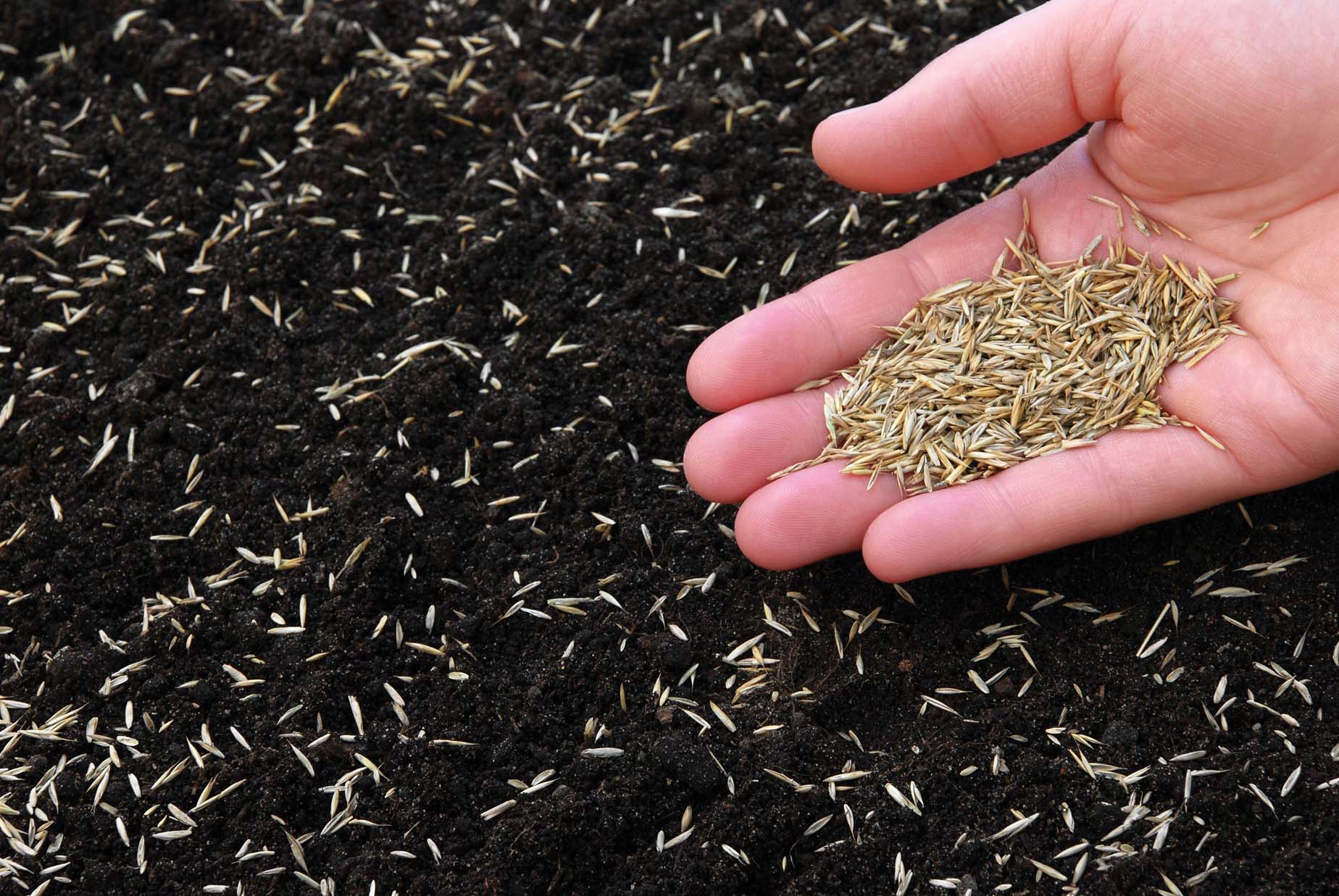
Dethatching creates the perfect seedbed for overseeding by exposing bare soil between existing grass plants. The vertical grooves made by the dethatcher provide ideal pockets where grass seed can make direct soil contact—essential for successful germination. Without dethatching first, grass seed sits on top of the thatch layer where it’s vulnerable to drying out, washing away, or being eaten by birds. For lawns with thick thatch, overseeding without prior dethatching results in poor seed-to-soil contact and significantly reduced germination rates.
Post-Dethatching Care: Getting Your Lawn Back on Track in 4 Steps
Your lawn needs special attention after dethatching to recover quickly and maximize results. First, apply a starter fertilizer rich in phosphorus to encourage root development in both existing grass and new seed. Second, water deeply but gently to avoid washing away seed—maintain consistent soil moisture for 2-3 weeks until new grass establishes. Third, avoid heavy foot traffic for at least 2-3 weeks while the lawn recovers. Finally, wait until new grass reaches mowing height before cutting, and never remove more than one-third of the blade height in the first post-dethatching mow.
How Long Lawn Recovery Takes After Dethatching
Cool-season grasses dethatched in early fall typically show significant recovery within 2-3 weeks, with full recovery in 4-6 weeks. Warm-season grasses dethatched in early summer recover faster—usually within 2-4 weeks—thanks to peak growing conditions. During recovery, maintain consistent moisture (1 inch of water per week) and avoid high-nitrogen fertilizers that promote excessive top growth at the expense of root development. Patience is key; your lawn may look rough for the first week or two, but the long-term benefits far outweigh this temporary disruption.
How to Prevent Thatch Buildup Between Dethatching Sessions
The best approach to thatch management is prevention through proper lawn care practices. Core aerate your lawn annually to introduce oxygen and beneficial microbes that break down thatch naturally. Maintain proper soil pH (around 6.5) through regular soil testing and lime applications as needed—this creates optimal conditions for thatch-decomposing organisms. Follow the “one-third rule” when mowing: never remove more than one-third of the grass blade height at once, as this produces clippings that decompose quickly without contributing to thatch.
Why Proper Watering and Fertilizing Prevents Thatch Problems
Overwatering and excessive nitrogen fertilization are major contributors to rapid thatch buildup. Water deeply but infrequently—about 1 inch per week including rainfall—to encourage deep root growth rather than shallow, thatch-producing surface roots. Base your fertilization schedule on soil test results rather than calendar dates, applying only the nutrients your lawn actually needs. Slow-release nitrogen fertilizers promote steady, healthy growth without the excessive top growth that overwhelms the thatch decomposition process.
When to Call a Professional Instead of DIY Dethatching
If your thatch layer exceeds 2 inches in thickness, consider hiring a professional lawn care service. Removing excessive thatch in a single session can severely damage your lawn, and professionals have the expertise to determine whether multiple lighter passes are needed. Lawns with significant compaction issues alongside thick thatch may require specialized equipment that homeowners can’t easily access. Additionally, if your lawn shows signs of serious disease or insect infestation along with thatch problems, a professional can address multiple issues simultaneously with appropriate treatments.
Your lawn dethatcher serves as a critical intervention tool when preventative maintenance falls short. By physically removing the suffocating thatch barrier, it restores your lawn’s ability to absorb water, nutrients, and oxygen—creating the foundation for healthy growth. Remember that dethatching is just one component of comprehensive lawn care; combine it with proper aeration, soil testing, appropriate fertilization, and smart mowing practices to maintain a thatch-free lawn. When performed at the right time with the correct equipment and followed by proper aftercare, dethatching transforms struggling lawns into the thick, lush carpet of grass you’ve been working toward. The temporary disruption is well worth the long-term health and beauty of your yard.
![How To Use a Lawn Mower Blade Removal Tool [2026 Guide]](https://bestlawnmower.reviews/wp-content/uploads/2026/04/Lawn-Mower-Blade-Removal-Tool-300x169.png)
![What is a Lawn Dethatcher? [Explained]](https://bestlawnmower.reviews/wp-content/uploads/2026/04/Lawn-Dethatcher-300x169.png)