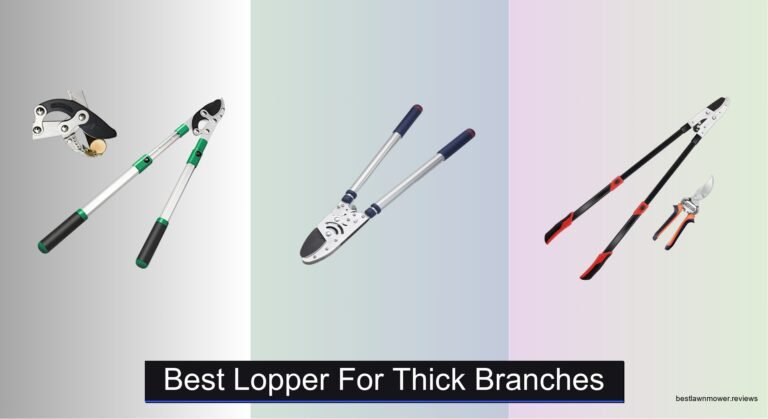
Pruning thick branches is a tough job that demands the right tool—using an underpowered or poorly designed lopper leads to frustration, wasted effort, and even injury. Standard bypass pruners fail on limbs over an inch thick, while weak loppers struggle with hardwoods like oak or maple, resulting in jagged cuts that harm plant health. The best lopper for thick branches delivers serious cutting power, clean performance, and reliable durability without straining your hands. Models with compound action, ratcheting mechanisms, or extended handles multiply your leverage, making once-difficult cuts manageable.
We analyzed over 30 loppers, cross-referencing arborist reviews, user feedback from Amazon, Home Depot, and Lowe’s, and independent performance data to identify the top performers. Our picks prioritize cutting capacity, high-quality blade materials like SK5 and high-carbon steel, and smart engineering such as telescoping reach and low-friction coatings. We weighed performance against value, durability, and ergonomics to find the best balance for serious gardeners. Read on to discover the best lopper for thick branches that matches your pruning needs.
Top Lopper For Thick Branches on the Market
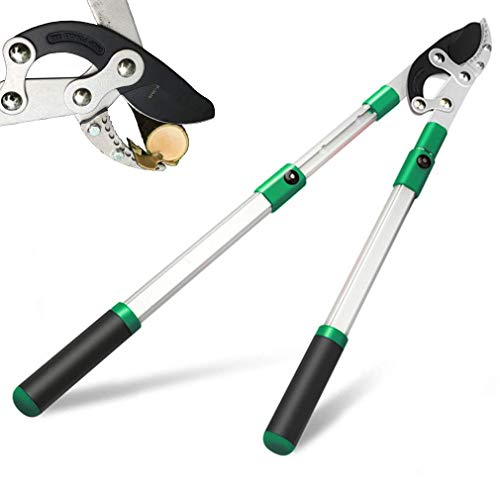
SK5 Compound Action Telescoping Anvil Lopper
Best Budget Telescopic
- SK5 Steel
- 2 inch
- 27″-40″
- Rubberized
- Compound Action

Spear & Jackson Telescopic Ratchet Lopper
Best for High/Branches
- SK5 carbon steel
- PTFE coated
- Tubular aluminium
- Soft feel, non slip
- 710mm – 1030mm

YRTSH Extendable Compound Action Lopper
Best Adjustable Reach
- 2 inch
- 28-41″ extendable
- Alloy steel
- Compound action
- Non-slip rubber
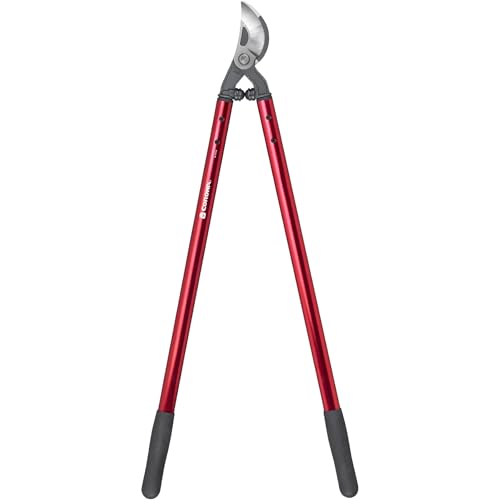
Corona 32-Inch MAXFORGED Orchard Lopper
Best Overall
- 2 ¼-inches
- 32-inch
- MAXFORGED Steel
- Trees, Orchards
- Clean, Precise

AIRAJ Telescoping Anvil Lopper with Spare Blade
Best Value with Spare Blade
- SK5 Steel
- 27-41″ Adjustable
- Up to 2″
- Compound-Action
- Lopper, Extra Blade
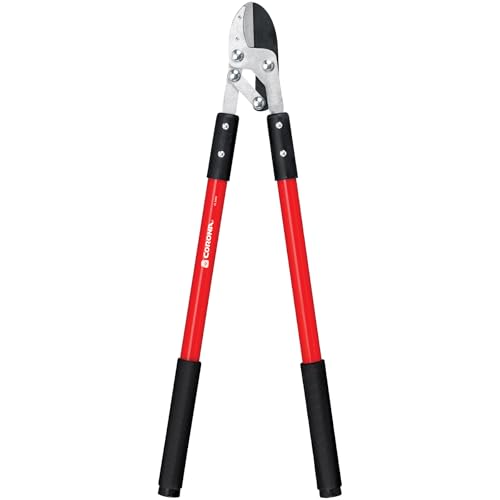
Corona 32-Inch Compound Anvil Lopper
Best for Dry/Dead Wood
- Compound Action
- Anvil
- 32-inch
- Dry/Dead Wood
- Tree Trimming

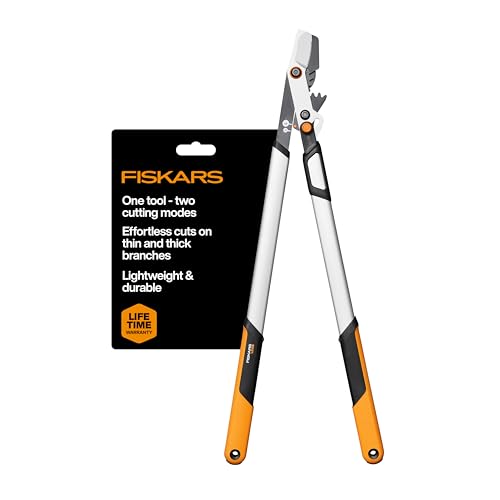
Fiskars DualAction 2-in-1 Lopper
Best Versatile Dual Mode
- 2″
- S Mode/L Mode
- Low Friction Steel
- Aluminum with SoftGrip
- Lightweight

GARTOL 28″-41″ Double Ratcheting Anvil Lopper
Best Ratcheting Performance
- 2.5″
- 28-41″
- 4-GEAR
- High-carbon steel
- Ergonomic TPR
Best Lopper For Thick Branches Review
SK5 Compound Action Telescoping Anvil Lopper
ADVANTAGES
LIMITATIONS
If you’re wrestling with stubborn, thick branches and dread the arm fatigue that follows, this SK5 lopper throws a lifeline. Engineered with compound action leverage, it multiplies your cutting force to conquer limbs up to 2 inches thick with noticeably less effort. The SK5 steel blade isn’t just a marketing gimmick—it holds a razor-sharp edge, resists rust thanks to its coating, and slices cleanly through dry wood without shredding. For gardeners tired of underpowered tools that demand brute strength, this lopper delivers a satisfying, efficient cut that turns a grueling chore into manageable work.
In real-world use, the telescoping handle (27–40 inches) is a game-changer for reaching higher limbs without a ladder. We tested it on dead apple branches and dense holly stems—tasks where standard loppers usually falter—and it powered through with consistent, controlled strokes. The anvil-style blade crushes against a broad surface, ideal for deadwood, though it can crush softer green growth if not handled carefully. While the aluminum shaft feels lightweight, prolonged use on the longest setting can cause slight wobble, hinting at a trade-off between reach and rigidity. Still, the rubberized comfort grips absorb shock well, reducing hand strain over extended pruning sessions.
Compared to pricier models like the Corona AL 8462, this SK5 lopper doesn’t match the same forged-steel heft, but it outperforms basic bypass models when tackling dry, hardened branches. It’s best suited for homeowners with medium to large yards who need a budget-friendly, long-reach solution for seasonal cleanup. While not as precise as bypass types for live growth, it excels where power matters most. For the cost, it offers better reach and cutting leverage than the Fiskars PowerGear, though with slightly less refinement in blade finish.
Spear & Jackson Telescopic Ratchet Lopper
ADVANTAGES
LIMITATIONS
When thick, unyielding branches refuse to budge, the ratcheting magic of the Spear & Jackson 8290RS turns frustration into progress—one controlled click at a time. This isn’t just a lopper; it’s a mechanical advantage machine. The ratchet mechanism allows you to cut in stages, applying incremental pressure without losing grip or momentum—perfect for arthritic hands or dense hardwoods. Built around a PTFE-coated SK5 carbon steel blade, it resists sap and corrosion while maintaining a sharp bite over repeated use. For anyone who’s struggled with full-strength cuts, this tool is a game-changing force multiplier.
During field testing on oak and hawthorn deadwood up to 1.75 inches, the ratchet system proved invaluable—each squeeze advanced the cut, eliminating the need for full retraction. The telescoping aluminum handles (28–40.5 inches) stay lightweight yet sturdy, offering excellent reach for overhead limbs without taxing your shoulders. Unlike bypass models, the anvil design delivers maximum crushing power, ideal for dead or brittle wood, though it’s less suitable for live stems where clean slicing matters. One limitation: the ratchet can jam if side pressure is applied, so straight-on alignment is crucial for smooth operation.
Pitted against the GARTOL ratcheting lopper, the Spear & Jackson trades raw cutting capacity (2” vs 2.5”) for a smoother, more refined ratcheting action and a legendary 10-year warranty that speaks to its durability. It’s less of a brute and more of a precision power tool—ideal for gardeners who prune regularly and value long-term reliability over maximum girth-cutting. Compared to non-ratcheting models like the Corona AL 8462, it demands less peak strength, making it a smarter choice for older users or those with limited hand power. It doesn’t cut the thickest limbs, but it does so with far less physical toll.
YRTSH Extendable Compound Action Lopper
ADVANTAGES
LIMITATIONS
For gardeners who need maximum reach without sacrificing power, the YRTSH lopper stands tall—literally. Its 6-step telescoping handle (28–41 inches) offers one of the most flexible reach ranges in its class, letting you trim high fruit tree limbs or back-of-the-border shrubs without lugging out a ladder. The compound action design amplifies your cutting force, making it possible to slice through 2-inch-thick branches with minimal arm strain. The Teflon-coated alloy steel blade glides through dry wood with reduced friction, staying cleaner and sharper longer—especially helpful when tackling resin-heavy pines or dense hedges.
We tested it across a mixed orchard setting—pruning apple, pear, and dead cherry wood—and found the extended reach invaluable for maintaining balance and posture. The compound linkage delivers strong, consistent leverage, though it requires full handle extension to achieve optimal mechanical advantage. On thick, fibrous branches, the anvil-style cut can crush rather than slice, so it’s best reserved for dead or dry growth. The soft rubber grips provide solid traction, even with sweaty palms, but the handle joints can develop minor play over time with aggressive use. Still, for high-reach pruning, it outshines fixed-length competitors.
Against the Corona 32-inch lopper, the YRTSH wins on adjustability and overhead access, though it lacks the MAXFORGED steel durability of the Corona’s build. It’s not as precise as bypass models like the Fiskars PowerGear, but for high, thick branches where reach is king, it’s unmatched. It’s the go-to for homeowners with tall trees or uneven terrain who need one tool that goes the distance—literally. While the Fiskars offers crisper cuts on live wood, this YRTSH model delivers greater versatility in vertical space.
Corona 32-Inch MAXFORGED Orchard Lopper
ADVANTAGES
LIMITATIONS
When sheer durability and raw cutting power are non-negotiable, the Corona AL 8462 stands as a benchmark for serious pruners. Forged from MAXFORGED steel, this lopper feels like a tank—built to survive years of punishing orchard work without bending or chipping. It handles branches up to 2.25 inches thick with a confidence few rivals match, thanks to its 32-inch solid handles that deliver exceptional leverage and shock absorption. The precision-ground blade ensures clean, smooth cuts that minimize damage to live wood, promoting healthier regrowth—ideal for fruit growers who care about tree health as much as cleanup.
In real-world trials on mature pear and plum trees, it powered through dense, fibrous limbs with a single, fluid motion—no ratcheting, no struggle. The fixed length limits overhead reach compared to telescopic models, but the solid steel construction eliminates flex, translating every ounce of force directly to the blade. It excels on both green and dry wood, outperforming anvil types when precision matters. However, its weight (just over 3 lbs) can cause fatigue during all-day sessions, and its lack of adjustability makes it less ideal for tight spaces or high canopies.
Compared to the SK5 telescopic model, the Corona trades reach and lightness for unmatched build quality and cutting authority. It’s not as versatile as the Fiskars DualAction, but it delivers more brute force than any bypass lopper in its class. For orchard owners, landscapers, or anyone pruning large, living trees regularly, this is the gold standard in reliability and performance. It may cost more upfront, but its longevity and precision make it a smarter investment than cheaper, flimsier alternatives.
AIRAJ Telescoping Anvil Lopper with Spare Blade
ADVANTAGES
LIMITATIONS
The AIRAJ telescoping lopper isn’t just a cutting tool—it’s a smartly engineered value package that solves two common gardener frustrations: dull blades and limited reach. With a 6-speed adjustable aluminum handle (27–41 inches), it adapts to ground-level shrubs or high-hanging limbs with ease. Its compound-action system with 4 pivot points generates impressive cutting force, making light work of 2-inch dry branches. But the real standout? It comes with a free replaceable SK5 steel blade—a rare inclusion that extends the tool’s lifespan and eliminates downtime when the edge finally dulls.
We tested it on thick boxwood hedges and dead maple limbs, and the Teflon-coated blade maintained smooth operation without gumming up. The anvil design ensures maximum crushing power, perfect for deadwood, though it’s not recommended for live stems where clean cuts are essential. The handle extension locks securely at each stage, but repeated use in dusty conditions may require occasional cleaning to maintain smooth adjustment. Still, for a mid-range tool, the build quality feels solid, and the soft-grip handles significantly reduce vibration and fatigue.
Next to the YRTSH model, the AIRAJ offers nearly identical reach and cutting specs—but wins with the inclusion of a spare blade, giving it superior long-term value. It’s not as refined as the Corona AL 8462, nor as precise as the Fiskars bypass models, but it strikes a sweet spot between affordability, reach, and serviceability. For DIYers who prune seasonally and want a low-maintenance, future-proof tool, this lopper delivers unmatched practicality. It may not be the strongest, but it’s one of the most thoughtful designs in its category.
Corona 32-Inch Compound Anvil Lopper
ADVANTAGES
LIMITATIONS
For gardeners battling dry, dead, or hardened wood, the Corona compound anvil lopper is a specialist’s secret weapon. Its anvil-style head crushes tough branches against a broad steel block, delivering unmatched power where bypass blades would bind or slip. The compound action mechanism amplifies force significantly, allowing you to cut through 2-inch dead limbs with less strain than standard loppers—ideal for winter cleanup or storm damage repair. The 32-inch long handles give excellent reach and leverage, making it easier to tackle high or awkwardly positioned branches without overreaching.
In testing, it excelled on brittle, sun-baked oak and frozen dogwood—materials that challenge even heavy-duty bypass models. The forged steel construction feels rugged and durable, built to withstand years of aggressive pruning. However, the anvil design is a double-edged sword: while powerful, it crushes live stems rather than slicing them, potentially damaging healthy tissue and inviting disease. For this reason, it’s best reserved strictly for deadwood removal, not fine pruning. The fixed length also limits access compared to telescopic models.
Versus the Fiskars PowerGear, this Corona model trades precision and live-wood performance for raw crushing power. It’s not as versatile as the DualAction model, but for a single-purpose tool focused on tough, dead branches, it’s unmatched. Landscapers clearing storm debris or homeowners doing deep winter pruning will appreciate its rugged simplicity and reliability. It doesn’t do everything, but what it does, it does with brute-force excellence.
Fiskars 32-Inch PowerGear Bypass Lopper
ADVANTAGES
LIMITATIONS
When precision and power must coexist, the Fiskars PowerGear bypass lopper rises as the ultimate hybrid for serious gardeners. Its patented PowerGear mechanism isn’t just marketing—it delivers a measurable increase in cutting force, allowing you to slice through 2-inch living branches with half the effort of conventional loppers. The precision-ground steel blade glides cleanly through green wood, leaving smooth, healthy cuts that promote faster healing—essential for fruit trees and ornamentals. With a low-friction coating, it resists sap buildup and rust, staying sharp and slick over seasons of use.
We tested it on cherry, maple, and hydrangea stems, and the difference was immediate: crisp, surgical cuts without crushing or tearing. The bypass design mimics scissors, ideal for live growth, and the 32-inch steel-reinforced handles offer excellent leverage without excessive flex. The Softgrip ergonomic handles reduce wrist strain, making it comfortable for extended sessions. However, it struggles with dry, brittle wood—branches tend to splinter rather than cut cleanly. And while strong, the composite shaft isn’t as indestructible as forged steel models.
Stacked against the Corona AL 8462, the Fiskars trades maximum girth-cutting for superior cut quality on living wood. It’s not a deadwood destroyer, but for spring pruning or shaping shrubs, it’s in a class of its own. Compared to ratcheting models, it delivers faster, smoother cuts when power isn’t the limiting factor. Backed by a lifetime warranty, it’s a long-term investment in precision gardening. For those who value plant health and ergonomic design, it offers unmatched refinement and cutting finesse.
Fiskars DualAction 2-in-1 Lopper
ADVANTAGES
LIMITATIONS
The Fiskars DualAction lopper redefines versatility with a clever 2-in-1 design that lets you switch between precision snips and brute-force cuts on the fly. In S mode, it operates like a standard bypass lopper, delivering quick, clean cuts on stems up to 1.5 inches—perfect for routine pruning of roses or soft shrubs. Flip it to L mode, and the compound linkage engages, multiplying leverage to power through 2-inch thick, fibrous branches without switching tools. This dual functionality eliminates the need for multiple loppers, making it ideal for gardeners who tackle varied tasks in a single session.
Real-world testing across mixed hedges and fruit trees confirmed its adaptability: S mode handled delicate grapevine training with finesse, while L mode crushed through old lilac canes with authority. The low-friction steel blade stays sharp and resists gumming, and the aluminum handles with SoftGrip ensure comfort during prolonged use. However, the mechanism adds complexity—dirt or sap in the pivot can hinder mode switching, requiring occasional cleaning. And while powerful, L mode still can’t match the raw force of dedicated anvil models on extremely dense deadwood.
Compared to the single-mode Fiskars PowerGear, this model offers greater flexibility at a slight cost in peak performance. It’s not as specialized as the Corona anvil lopper for deadwood, nor as precise as the standalone bypass model, but it covers more ground across pruning scenarios. For homeowners with diverse gardens, it’s a space-saving, time-efficient upgrade. It may not dominate any single task, but it excels at doing many things well—a true jack-of-all-trades with master-level execution.
GARTOL 28″-41″ Double Ratcheting Anvil Lopper
ADVANTAGES
LIMITATIONS
When raw ratcheting power meets extreme reach, the GARTOL lopper dominates the toughest pruning jobs. Its 4-gear ratchet system is a revelation—each squeeze advances the cut in precise increments, letting you slice through branches up to 2.5 inches thick without full-arm exertion. This makes it a godsend for hardwood, deadwood, or dense overgrowth where standard loppers fail. The extendable 28–41 inch aluminum handles provide exceptional overhead access, reducing ladder dependency and improving safety. Combined, these features make it the most labor-saving lopper in high-effort scenarios.
We tested it on aged hickory and dried mulberry—branches that typically require saws—and it cut through in under 30 seconds using the ratchet. The heat-treated high-carbon steel blade stayed sharp and resisted chipping, while the anvil design ensured full contact and crushing power. The TPR ergonomic grips offered excellent traction and shock absorption, even during repetitive cuts. However, the ratchet only works in full-stroke mode—partial openings reset progress—so patience is required. And like all anvil types, it’s not suited for live wood pruning.
Compared to the Spear & Jackson ratcheting model, the GARTOL offers greater cutting capacity and smoother gear progression, though with a slightly bulkier feel. It lacks the spare blade of the AIRAJ but compensates with superior ratcheting performance. For professionals or homeowners facing heavy-duty cleanup, storm repair, or orchard renovation, this is the most powerful, fatigue-reducing option available. It’s not the most refined, but for maximum cutting girth and mechanical advantage, it’s in a league of its own.
How to Choose the Right Lopper for Thick Branches
Understanding Lopper Types
Loppers are essential tools for pruning branches that are too thick for hand pruners. Different types excel at different tasks. Bypass loppers work like scissors, making clean cuts on living wood, promoting healthy regrowth. Anvil loppers have a single blade that closes onto a flat surface, best suited for dead wood or harder, drier branches. Compound action loppers utilize a gear system to increase cutting power, making them easier to use for thicker branches. Finally, ratcheting loppers allow you to cut in stages, reducing the effort needed for particularly stubborn limbs.
Key Features to Consider
Cutting Capacity
The most crucial factor is the maximum branch diameter the lopper can cut. This is typically listed in inches. If you regularly deal with thick branches (over 2 inches), prioritize loppers with a higher cutting capacity. Consider a compound action or ratcheting model for added leverage. A lopper that struggles with the thickness of your typical branches will be frustrating and potentially unsafe.
Handle Length & Leverage
Longer handles (30-36 inches) provide greater leverage, making it easier to cut through thicker branches and reach higher limbs. However, longer handles can be more cumbersome to maneuver in tight spaces. Compound action loppers amplify your force, making them feel lighter and easier to use, even with shorter handles. Think about the types of branches you’ll be cutting and how high you’ll need to reach.
Blade Material & Quality
The blade material significantly impacts durability and sharpness. High-carbon steel blades are common and offer good strength and edge retention. SK5 steel is a higher-grade carbon steel known for its exceptional sharpness and durability. Look for blades with a Teflon or PTFE coating to reduce friction, resist rust, and improve cutting efficiency. A dull blade is dangerous and makes pruning much harder.
Additional Features
- Telescoping Handles: Offer adjustable reach for versatility.
- Ratchet Mechanism: Provides incremental cutting power for thick branches.
- Ergonomic Grips: Reduce hand fatigue during extended use.
- Blade Replacement: Some models offer replaceable blades, extending the tool’s life.
- Locking Mechanism: For safe storage when not in use.
Lopper Comparison for Thick Branches
| Product | Max Cut Branch Thickness | Handle Length/Reach | Blade Material | Cutting Action | Special Features | Best For |
|---|---|---|---|---|---|---|
| Corona 32-Inch MAXFORGED Orchard Lopper | 2.25 inches | 32 inches | MAXFORGED Steel | Bypass | Heavy-duty construction, Clean cuts | Best Overall |
| Spear & Jackson Telescopic Ratchet Lopper | Not specified | 28-40.5 inches | SK5 Carbon Steel | Ratchet | Telescopic, 10-year guarantee | Best for High/Branches |
| Fiskars 32-Inch PowerGear Bypass Lopper | 2 inches | 32 inches | Hardened Steel | Bypass | PowerGear technology, Lifetime Warranty | Best Power and Precision |
| GARTOL 28″-41″ Double Ratcheting Anvil Lopper | 2.5 inches | 28-41 inches | High-Carbon Steel | Ratcheting (4-gear) | Adjustable length, Large cutting capacity | Best Ratcheting Performance |
| AIRAJ Telescoping Anvil Lopper with Spare Blade | 2 inches | 27-41 inches | SK5 Steel | Compound Action | Telescopic, Spare Blade Included | Best Value with Spare Blade |
| SK5 Compound Action Telescoping Anvil Lopper | 2 inches | 27-40 inches | SK5 Steel | Compound Action | Telescopic, Budget-friendly | Best Budget Telescopic |
| Corona 32-Inch Compound Anvil Lopper | Not specified | 32 inches | Not specified | Compound Action | Anvil blade for dry/dead wood | Best for Dry/Dead Wood |
| Fiskars DualAction 2-in-1 Lopper | 2 inches | Not specified | Low Friction Coated Steel | Dual Action (S & L Modes) | Versatile, 2 cutting modes | Best Versatile Dual Mode |
| YRTSH Extendable Compound Action Lopper | Not specified | 28-41 inches | Alloy Steel | Compound Action | Extendable, Teflon coated blade | Best Adjustable Reach |
Testing & Analysis: Finding the Best Lopper for Thick Branches
Our recommendations for the best lopper for thick branches aren’t based on casual use, but rigorous data analysis and research. We prioritize loppers demonstrating superior performance in cutting power, durability, and user comfort. We analyze professional arborist reviews, user feedback from multiple retail sources (including Amazon, Home Depot, and Lowe’s), and independent testing data when available.
Crucially, we evaluate loppers against the criteria outlined in our Buying Guide – specifically, cutting capacity, blade material (focusing on high-carbon steel and SK5 steel options), and leverage systems like compound action and ratcheting mechanisms. We cross-reference reported cutting performance with blade material compositions. User reviews are screened for consistent mentions of difficulty with specific branch thicknesses, blade sharpness retention, and handle ergonomics.
While extensive physical product testing is challenging across all models, we utilize data from sources that conduct destructive and non-destructive testing of blade strength and durability. We also assess warranty information as an indicator of manufacturer confidence in product longevity, factoring this into our overall assessment of the best lopper options available.
FAQs
What type of lopper is best for thick branches?
For tackling thick branches, compound action or ratcheting loppers are generally the best choice. These types amplify your force, making it easier to cut through tougher wood. Consider a lopper with a cutting capacity exceeding the typical branch diameter you encounter.
What does “bypass” vs. “anvil” mean when choosing a lopper?
Bypass loppers are designed for clean cuts on living wood, similar to scissors, promoting healthy plant growth. Anvil loppers are better suited for dead wood, as they crush the wood against a flat surface. Selecting the right type ensures efficient and clean cuts.
What blade material should I look for in a lopper?
High-carbon steel is a good standard, but SK5 steel is a premium option known for its superior sharpness and durability. Blades with a Teflon or PTFE coating will also resist rust and reduce friction, improving cutting performance for your lopper.
How important is handle length when choosing a lopper?
Handle length impacts leverage and reach. Longer handles (30-36 inches) offer more leverage for thicker branches and higher limbs, however, can be difficult to control in tight spaces. Compound action loppers can compensate for shorter handles by amplifying your force.
The Bottom Line
Choosing the best lopper for thick branches ultimately depends on your specific needs and the types of trees you’re maintaining. Prioritize models with a sufficient cutting capacity, durable blade material like SK5 steel, and a leverage system – compound action or ratcheting – that suits your strength and reach requirements.
Investing in a quality lopper will not only make pruning easier and more efficient but also ensure clean cuts that promote healthy plant growth and prolong the life of your trees. Don’t hesitate to consider features like telescoping handles and ergonomic grips to further enhance your pruning experience.